
Distraction by design: Why we need to stop blaming children
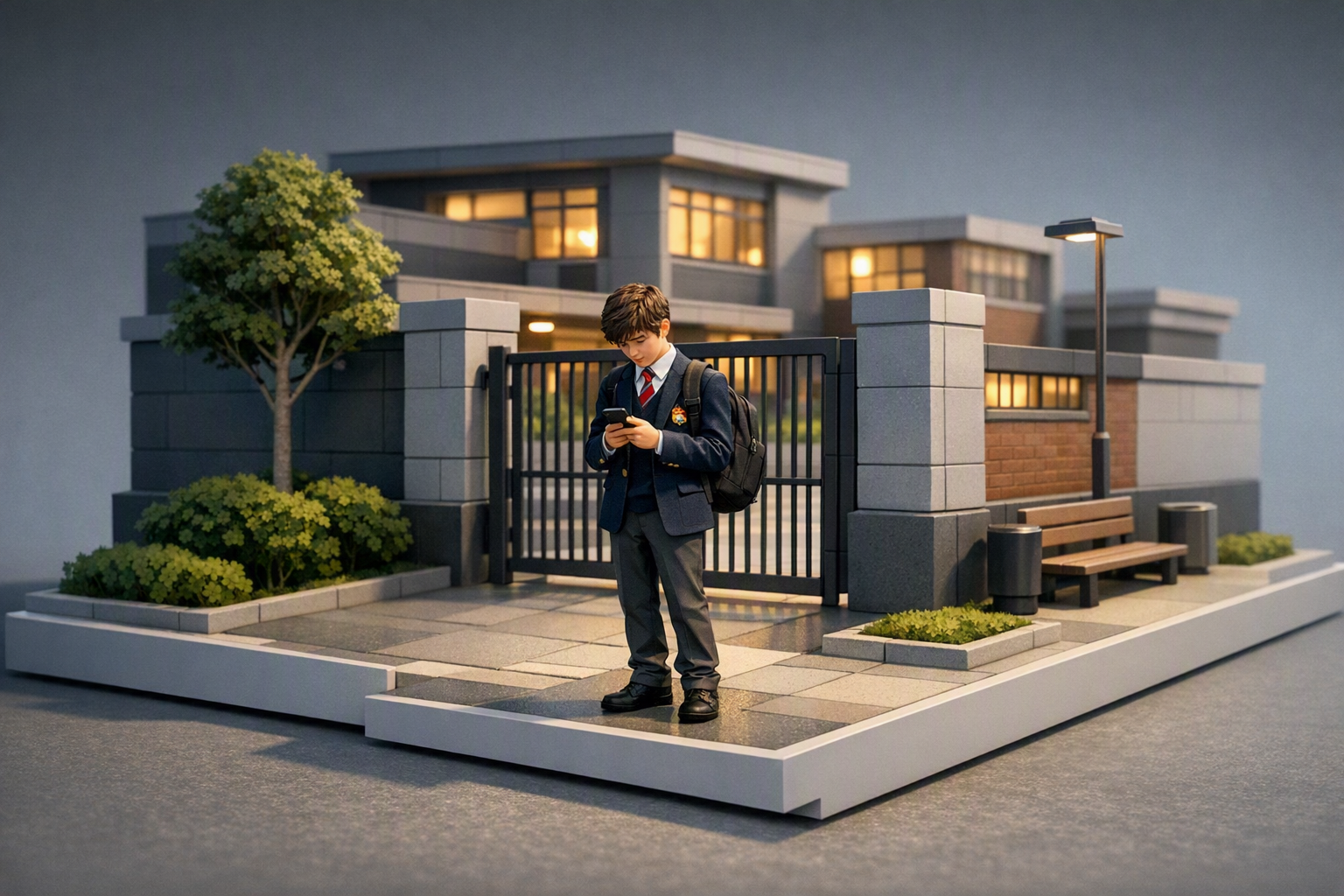
We have spent a great deal of time discussing what children need to do differently when it comes to smartphones and social media. We talk about screen limits, digital wellbeing and the importance of helping young people develop self-control. These conversations matter, but I wonder whether we are asking the wrong question. Perhaps the issue is not simply why children find these platforms difficult to put down, but why they were designed to be so difficult to put down in the first place.
Schools have introduced phone bans, parents have tried to establish healthier boundaries and governments have started to explore restrictions on social media access for younger users. These are all understandable responses to a very real concern. However, they largely focus on helping children manage the impact of these platforms, rather than questioning why these platforms are designed in the way they are.
The uncomfortable truth is that the technology isn't broken. It is doing exactly what it was designed to do.
The Wrong Target
Imagine for a moment that drug dealers were standing outside our school gates every morning, offering children substances that had been deliberately designed to be addictive. Imagine those same dealers employed psychologists and experts to make those substances as appealing and addictive as possible. Would we blame the children? Would we tell them that they simply needed more self-control? Would we criticise them for making poor choices and expect them to resist something that had been carefully engineered to exploit human behaviour?
Of course not. We would be angry with the people creating and distributing those products. We would expect action from those responsible for protecting children. We would recognise that this was not simply an issue of individual choice, but one of adults deliberately creating something harmful and profiting from it.
Yet when it comes to social media, we often approach the issue very differently. We talk about children being addicted to their phones. We focus on screen time, self-regulation and personal responsibility. While these conversations are important, they can sometimes distract us from a bigger issue: many of the platforms children use every day have been deliberately designed to capture their attention and keep them coming back.
The question we should be asking is not simply, "Why can't children put their phones down?" It is, "Why have we allowed companies to create products that children find so difficult to put down in the first place?"
Engineered for Engagement
Social media companies employ some of the brightest designers, engineers and behavioural scientists in the world. Their goal is not simply to create products that people enjoy using. Their goal is to create products that people struggle to stop using. Attention has become the most valuable currency in the digital economy, and the longer someone remains on a platform, the more opportunities there are to show advertising, collect data and generate revenue. As a result, every part of the user experience is carefully designed, tested and refined to maximise engagement.
The creators of social media platforms use advanced behaviourist techniques to hook users in much the same way that slot machines hook gamblers. Features such as infinite scroll, notifications, likes, shares and algorithmically recommended content are not simply convenient additions that make platforms easier to use. They are carefully designed mechanisms that encourage users to return again and again. The goal is not necessarily for users to feel satisfied and leave. The goal is to keep them checking.
The Psychology of Attention
A large part of this success comes from a sophisticated understanding of human psychology. We often hear dopamine described as the chemical linked to pleasure, but it is more complicated than that. Dopamine is strongly associated with anticipation and expectation. The reward comes from wondering what might happen next.
This is why unpredictable rewards are so powerful. A slot machine does not provide a reward every time someone pulls the lever, but the possibility of a reward keeps people coming back. Social media platforms work in a similar way. Every notification might be important. Every refresh might reveal something interesting. Every scroll might provide something entertaining, surprising or socially rewarding. The result is that many people are not using these platforms because they are constantly satisfied by them. They are using them because they are constantly anticipating the next reward.
Social media is designed to keep us checking, not satisfied.
Even the Creators Are Concerned
Perhaps the most revealing part of this debate is that some of the people who helped create these technologies have raised concerns about their impact. Former technology executives, designers and engineers have spoken about the consequences of building systems where success is measured by how effectively they capture human attention. Some engineers at Google have even spoken about concerns around the world they are creating for their own children. When the people who understand these platforms better than anyone else express concern about their influence, we should pay attention.
The Cost We Rarely Discuss
When we talk about the harms of screen time, we often focus on what children are exposed to online. We discuss inappropriate content, cyberbullying, misinformation and online comparison. These are important conversations, but one of the biggest harms caused by excessive screen use is often overlooked: opportunity cost. What could children be doing if they weren't on a screen?
They could be reading, creating, playing sport, building relationships, exploring interests or simply being bored. Childhood is a limited window of time, and the hours spent scrolling through platforms designed to capture attention are hours that cannot be spent doing the things that help young people develop. The issue is not simply what happens on screens. It is what doesn't happen because of them.
Why Current Solutions Fall Short
This week, I was invited to the Houses of Parliament to join a cross-party briefing discussing the impact that smartphones and social media are having on children and young people. It was encouraging to see growing recognition that this is an issue that requires serious attention and a willingness to explore possible solutions.
However, we need to be careful that our response does not simply focus on restricting children's access to these platforms. While these measures may provide some benefit, they only address part of the problem. They focus on the users, rather than the companies creating the products.
If a product was found to be causing widespread harm because of the way it had been designed, we would not simply tell people to use it less. We would examine how it was made, why it was allowed to exist in that form and what safeguards were needed. Technology should not be exempt from that same level of scrutiny.
Changing the Rules
As adults, educators, professionals and politicians, we have the ability to change the rules. More importantly, we have a responsibility to do so. This is not about banning technology or pretending that the digital world does not have enormous benefits. It is about recognising that children should not be expected to compete against billion-pound companies whose business models depend on capturing their attention.
We should absolutely help young people develop healthy relationships with technology. We should teach them about online safety, digital literacy and self-regulation. But we also need to acknowledge that this is not a fair contest when one side has teams of psychologists, engineers and designers working constantly to make their products more difficult to resist.
The problem is not that our children are weak. The problem is that the systems they are using have been designed to exploit perfectly normal human behaviour. The technology isn't broken. It is doing exactly what it was designed to do. The question is whether we are prepared to change the rules for the companies that designed it, rather than expecting children to change themselves.
