
From Feedback to Follow-Through: Creating a culture for feedback to have impact
When Feedback Doesn’t Land
In my recent article, From Front Crawl to Feedback, I reflected on what teachers can learn from a swimming coach delivering timely, precise and actionable feedback within a session. Watching that lesson unfold was a powerful reminder that feedback works best when it shapes the next attempt, not just the previous one. You could see improvement happening in real time because the swimmers were able to act immediately. But there is another side to this that has stayed with me just as much.
Even the most carefully crafted feedback can fall flat if it is not received in the right way. We can be clear, specific and timely, but if the learner is not really listening, not open to what is being said, or not motivated to act on it, then very little actually changes. Delivering high-quality feedback is only half the story. What really matters is what happens next.
Creating the Conditions for Feedback to Work
Over time, I have come to think about feedback a bit like planting. You can have the best seeds in the world, but if the soil is not right, growth will always be limited. The conditions matter just as much as the input. In classrooms, this means creating an environment where feedback can land well. Where pupils are ready to hear it, willing to engage with it and able to do something with it, without seeing it as failure. Without that, even the most precise feedback risks being skimmed, misunderstood or quietly ignored.
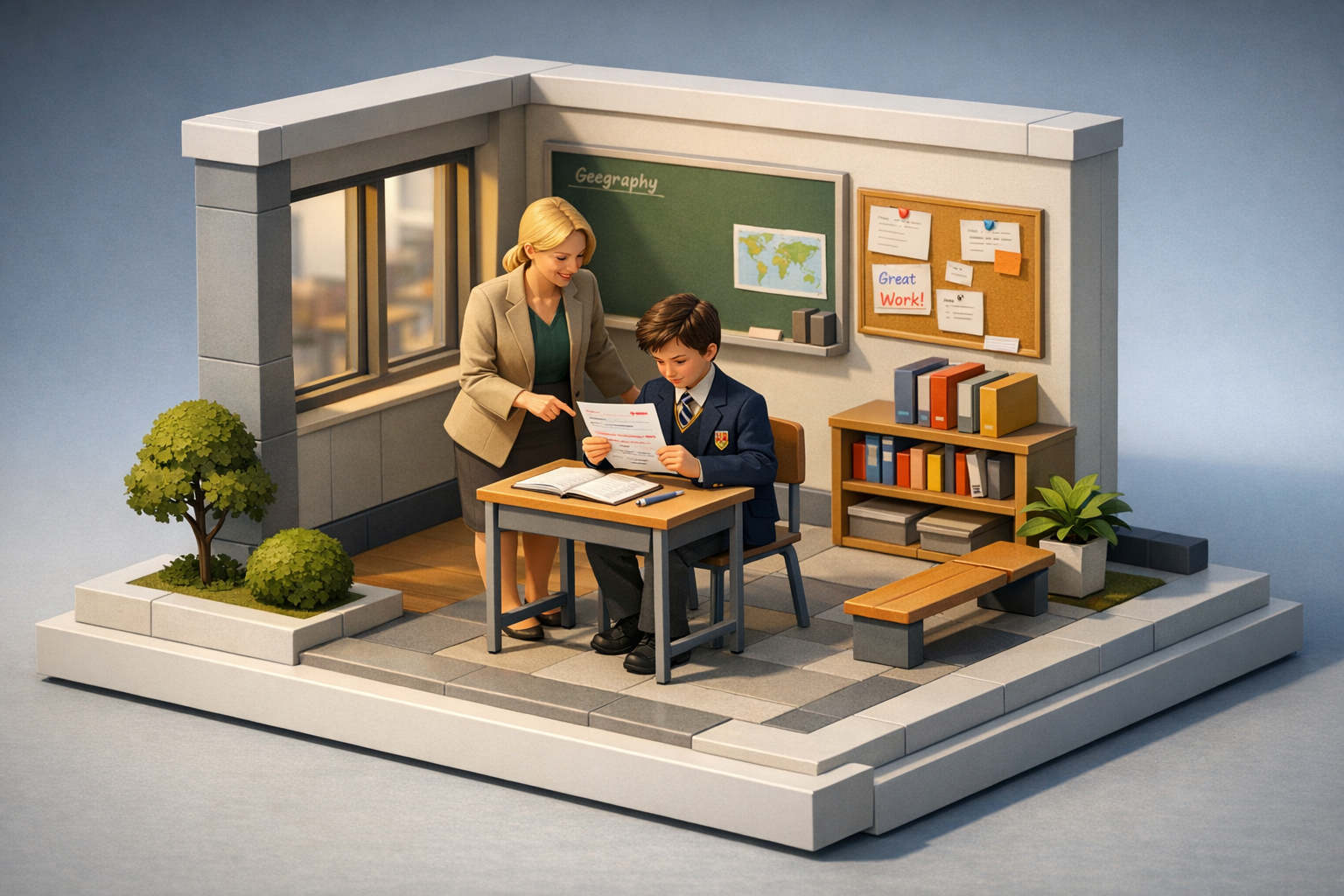
We have probably all seen it. A teacher takes time to give clear, helpful feedback, only for a pupil to glance at it, pick out the positive comment and move on. Sometimes they do not engage with it at all. Not through defiance, but because they are not yet in the right mindset to fully receive it. That mindset does not just appear. It has to be built, lesson by lesson, through the culture we create.
Listening Beyond What We Want to Hear
One of the challenges with feedback is that we rarely hear it in a completely objective way. Most of us listen selectively. We pick out the parts that feel comfortable and often without realising it, filter out the parts that require effort, change or reflection. That is just as true for adults as it is for children. Think about when a friend or a partner asks, “What do you think of me in this outfit?”. Are they genuinely looking for honest feedback, or are they hoping for affirmation and reassurance? The answer shapes how that feedback will land, no matter how carefully it is delivered.
The same is true in schools. If the conditions are not right, feedback struggles to have any impact. For pupils, this might mean focusing on the praise while overlooking the improvement point, or hearing the feedback but not really processing what it means for their next attempt. The result is familiar. The same mistakes reappear, not because the feedback was poor, but because it was never fully taken on board. Helping pupils to listen properly to feedback takes more than simply giving it. It means slowing things down, drawing attention to the key points and creating space for them to think about what it actually means. It means helping them move beyond hearing the words to understanding what needs to change.
Building a Culture of Improvement
For feedback to have real impact, it needs to sit within a wider culture. A culture where improvement is expected, normal and part of everyday learning. If we get it right, feedback is not something pupils are scared of. Instead, it becomes something they are comfortable with, even something they begin to seek out because they recognise its value. But that does not happen overnight. It is developed over time through consistent messages about effort, mistakes and growth.
It is also shaped by what we model. If we show that feedback is something to be welcomed, reflected on and acted upon, pupils begin to see it in the same way. If we treat it as a routine part of getting better, rather than a judgement of performance, it starts to feel safer and more purposeful. When that shift happens, something important changes. Pupils become more willing to engage, more open to challenge and more invested in improving their work. Feedback stops being something that is given to them and starts becoming something they use.
It’s Not Just About Pupils
This is not just a classroom issue. The same dynamic plays out in how adults give and receive feedback every day. Think about lesson observations, coaching conversations or professional discussions with colleagues. The quality of the feedback matters but it is not the whole story. The response to that feedback is what determines whether anything actually changes. We have all experienced feedback that has helped us improve, and we have probably all experienced feedback that we have quietly set aside. The difference is often less about what was said and more about whether we were ready to hear it.
From Delivery to Follow-Through
In From Front Crawl to Feedback, the focus was on the power of timely, actionable feedback and how it can shape performance in the moment. Watching those swimmers improve so quickly made that point hard to ignore. This follow-up thought builds on that idea. Even the best feedback depends on something else. It depends on a willingness to listen, to engage and to respond.
As teachers, our role is not just to deliver feedback well, but to create the conditions where it can be used. That means helping pupils develop the habits and mindset needed to engage with feedback, shaping a culture where improvement is expected and normal, and making time for pupils to act on what they have been given. When those pieces come together, feedback becomes far more than a comment on work. It becomes part of the learning process itself. And that is when it starts to make a lasting difference.
